

Sustainable Weight Loss Coaching That Lasts
The scale may drop quickly after a strict cleanse or a two-week diet challenge. The hard part is keeping the progress when work gets busy, dinner plans happen, stress rises, or motivation fades. Sustainable weight loss coaching is designed for real life, not a temporary stretch of perfect eating and punishing workouts.
For many women, the goal is not simply a smaller number on the scale. It is feeling strong in your clothes, having more energy through a full workday, moving without aches, and knowing exactly what to do in the gym. That takes a plan you can repeat, coaching that adjusts with you, and accountability that feels supportive instead of judgmental.
What Sustainable Weight Loss Coaching Really Means
Sustainable weight loss is a process of changing body composition and habits at a pace your body and schedule can handle. It does not promise that every week will look the same. Water retention, hormonal changes, travel, sleep, stress, and muscle gain can all affect the scale. A good coach looks beyond one number to see the bigger picture.
That picture includes strength, measurements, workout performance, energy, mobility, consistency, and how your clothes fit. If you are getting stronger, moving better, and following habits you can maintain, you are building progress that has a much better chance of lasting.
This approach also avoids the all-or-nothing cycle. You do not need to earn your meals with cardio or start over every Monday. You need practical routines that work on a normal Tuesday, including the days when you have limited time and less-than-perfect energy.
Why Extreme Plans Usually Backfire
Extreme plans can create fast results because they often cut calories aggressively, eliminate entire food groups, or add more exercise than someone can reasonably recover from. For a short period, that may feel motivating. But if the plan leaves you exhausted, hungry, sore, and disconnected from your normal life, it is not teaching you how to maintain the result.
There is a trade-off here. Faster weight loss can be appropriate in certain medically supervised situations, and some people enjoy a more structured short-term reset. But for most busy adults, the best plan is the one that keeps you training, eating satisfying meals, and making decisions you can live with months from now.
Sustainable coaching replaces punishment with a clear system. You learn how to build meals around protein and fiber, how to train for strength, how to plan around social events, and how to recover when life gets hectic. There is no need for guilt when a meal or workout does not go as planned. There is simply a next choice.
Start With Strength, Not Endless Cardio
Cardio has a place in a healthy program. It supports heart health, conditioning, mood, and calorie expenditure. But making cardio the entire strategy can leave people bored, under-recovered, and frustrated when their shape does not change the way they hoped.
Strength training matters because it helps preserve and build lean muscle while you lose fat. More muscle can improve how your body looks and performs, while stronger joints and better movement patterns make everyday life easier. Carrying groceries, climbing stairs, getting up from the floor, and keeping up with family all feel different when your body is capable.
The right strength program is not about throwing a beginner under a heavy barbell. It starts with your current fitness level, movement ability, and confidence. A coach can help you learn proper form, select appropriate resistance, and progress at a pace that challenges you without beating you up.
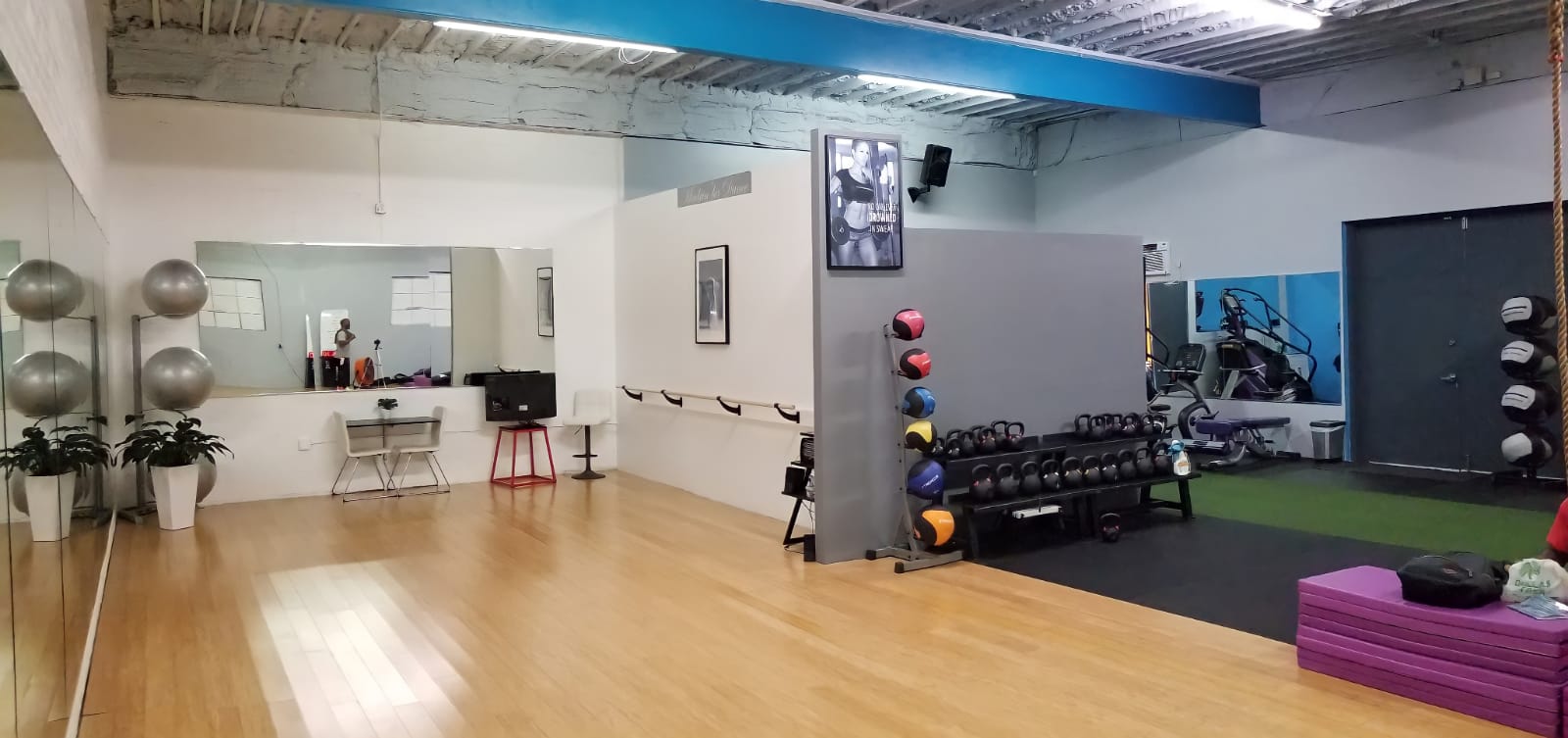
At The Body Blueprint, that may mean personal training for focused attention or semi-private coaching for the motivation of a small group while still following an individualized plan. Both formats provide something a crowded gym often cannot: a professional watching your movement, tracking progress, and helping you stay on course.
Mobility and Recovery Are Part of the Plan
If your hips feel tight after sitting all day or your shoulders bother you during pressing movements, forcing your way through is not the answer. Mobility, posture, flexibility work, and recovery should support your training plan. When you move better, you can train more consistently. Consistency is where body-composition results are built.
Recovery also includes sleep, rest days, and managing overall training volume. More is not always better. A program that leaves you feeling capable enough to return next session is often more effective than one that leaves you wiped out for a week.
Nutrition Coaching Without the Food Rules
Nutrition should make your life easier, not turn every meal into a math problem. Some clients benefit from tracking calories or macros for a period because it creates awareness and structure. Others find that tracking becomes stressful or unsustainable. A skilled coach can help you decide which level of detail fits your personality and goals.
The foundation is usually simpler than people expect: eat enough protein to support muscle and fullness, include fruits and vegetables regularly, choose satisfying high-fiber carbohydrates, drink water, and create portions that support your goal. You can still enjoy restaurant meals, family dinners, and favorite foods. The question is how often, how much, and what you do most of the time.
Instead of labeling foods as good or bad, look at patterns. Are you skipping breakfast and then overeating at night? Are you relying on snacks because lunch does not keep you full? Does a packed work schedule lead to takeout every evening? These are solvable problems when someone helps you build realistic options.
For example, a working professional might prepare two dependable lunches for the week, keep a high-protein snack at work, and schedule workouts before the day gets away from her. That is not glamorous. It is effective.
Accountability That Feels Personal
Motivation is useful, but it is unreliable. You will not wake up excited to work out every day, especially after a long shift or a rough night of sleep. Accountability bridges the gap between what you want and what you do when motivation is low.
That does not mean being shamed for missing a workout. It means having a coach who notices, checks in, and helps you adjust. Maybe your original schedule was unrealistic. Maybe a travel week calls for shorter sessions and a walking goal. Maybe you need a new challenge because your current routine has become too easy.
Small-group coaching can be especially powerful for people who do not want to go it alone. Seeing familiar faces, having a trainer ready with your workout, and knowing others are working toward their own goals can make training enjoyable. You get community without disappearing into the back row of a huge class.
How Progress Should Be Measured
The scale is one data point, not a report card. Daily changes are normal and can be influenced by sodium, digestion, menstrual cycles, hydration, and training soreness. Looking only at scale weight can make real progress easy to miss.
A sustainable weight loss coach may track progress through regular check-ins, strength improvements, body measurements, photos, energy levels, and consistency with key habits. If you are lifting more, feeling better, and noticing a change in your waistline, those wins count even if the scale has paused for a week or two.
Plateaus deserve attention, but not panic. Sometimes the answer is a nutrition adjustment. Sometimes it is improving sleep, adding daily movement, or tightening up weekend habits. Sometimes your body needs time to catch up after several consistent weeks. The right response depends on the person, which is why individualized coaching matters.
Make the Plan Fit Your Tampa Routine
A plan only works if it has a place on your calendar. Early-morning sessions may be the best fit before work. Daytime training can work well for flexible schedules, while evening appointments may help you decompress after a long day. The ideal time is the one you can protect consistently.
Start by committing to a realistic number of training sessions each week. Two well-coached strength workouts completed every week are far more valuable than an ambitious five-day plan you abandon after ten days. Add walks, mobility work, or conditioning as your schedule and recovery allow.
Your first step does not need to be dramatic. Get assessed, set a goal that matters to you, and build a schedule you can keep. When your workouts, nutrition, mobility, and accountability work together, weight loss becomes less about willpower and more about becoming the person who knows how to take care of herself.


Comments